Good Diet for Swimmers: Eating Around a Lesson
For most swimmers a good diet is a question of timing, not of special foods. Eat a normal meal two to three hours before a demanding session, or something small and easily digested if you are swimming within the hour. Drink water on the wall, because you sweat in the pool without noticing. Eat properly within an hour or two of finishing. For children in a thirty-minute lesson, a small snack beforehand and a proper meal afterwards is the whole plan. Anything more specific — targets, supplements, restriction — belongs with a doctor or a registered dietitian.
This is a swimming school, not a nutrition clinic. What we can tell you is what we see on the pool deck several hundred times a week.
Before a Lesson

A full meal an hour before swimming is uncomfortable. Nothing at all since breakfast is worse, particularly for children, who lose concentration long before they lose energy.
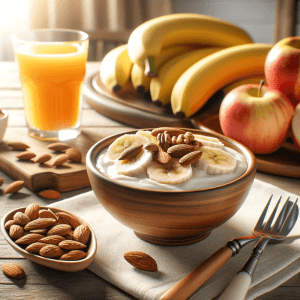
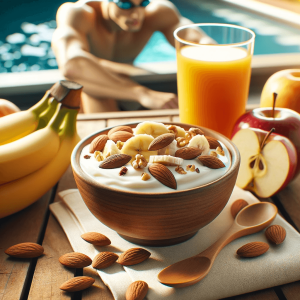
The workable compromise is something small, mostly carbohydrate, low in fat and fibre, thirty to sixty minutes beforehand. A banana. A slice of toast with honey. A plain biscuit. A small bowl of cereal.
If the session is easy — a technique lesson, a water-confidence session — you can do it on an empty stomach and it will not matter.
Timing, Not Rules
| When | What tends to work | What tends not to |
|---|---|---|
| 2-3 hours before | A normal balanced meal with carbohydrate | Anything very fatty or very high in fibre |
| 30-60 min before | Small, simple carbohydrate | A full meal — you will feel it on every push-off |
| During a long session | Water; a sports drink if it runs over an hour | Nothing, on the belief you cannot sweat |
| Within an hour after | Carbohydrate plus some protein | Waiting until dinner because you are not hungry yet |
| Rest days | Eat normally | Compensating by eating much less |
Hydration in a Warm Pool
You sweat while swimming. You do not notice, because you are already wet and the water cools you. In a warm teaching pool, or an outdoor pool in the middle of a Singapore afternoon, half an hour is a genuine fluid loss.
Dehydration in swimmers shows up as sluggishness and cramp rather than thirst. Keep a bottle on the wall. Make children drink between sets, not when they complain.
Plain water covers almost every lesson. Sessions over an hour, or hard sessions in the heat, are where a drink containing carbohydrate and sodium starts to earn its place.
Afterwards, and the Hunger

Swimmers, particularly in cool water, are often ravenous a couple of hours after a session in a way that runners are not. It is a well-recognised effect and it catches parents out completely.
The answer is to have food ready. Pack the post-swim snack the night before. A sandwich, some fruit, a yoghurt. The decision made in a wet changing room at seven in the morning is always worse than the one made the previous evening.
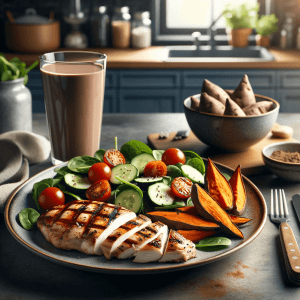
A meal containing carbohydrate and protein within an hour or two supports recovery. This is not a magic window that slams shut. It is simply easier to eat soon than to eat late and arrive at the next meal starving.
A protein shake is convenient. It is not superior to food, and it costs more.
What This Article Will Not Do
It will not give you calorie figures, gram targets, or a rate of weight change. Requirements vary enormously with body size, age, training load and health, and a number that is wrong for you is worse than no number.
If weight, body composition, or your relationship with food is a concern, speak to a doctor or a registered dietitian who knows your history. Do not restrict food to improve your swimming — under-fuelled swimmers get slower, get ill, get injured, and stop coming. This is particularly true of children and teenagers, who need to eat to grow.
Supplements are almost never necessary for a recreational swimmer eating ordinary food. If you think you need one, ask a professional rather than a website.
Common Mistakes
- A big meal an hour before. Reflux on every turn.
- Sending a child to a lesson having eaten nothing since lunch. They lose attention, not energy.
- Not drinking, because you are surrounded by water. The most common error in the sport.
- Skipping the post-swim meal because you are not hungry. Hunger is briefly suppressed after exercise. Eat anyway.
- Buying supplements before fixing meals. Sequence matters.
- Copying a competitive swimmer’s intake. They train many hours a day. You do not.
- Restricting food to change body shape while training. Speak to a professional first.
Safety
Do not eat immediately before getting in, and do not swim with a heavy stomach — discomfort in the water is a distraction, and distraction is a safety issue. Never swim after drinking alcohol.
Swim where a lifeguard is on duty. Never use breath-holding or hypoxic sets to make a session feel harder, particularly when under-fuelled: prolonged or repeated breath-holding, especially after hyperventilating, causes shallow-water blackout — a silent, warningless loss of consciousness that has drowned strong swimmers in supervised pools.
If you have diabetes, a heart condition, or are pregnant, discuss exercise and eating with your doctor before starting.
Where Nutrition Sits
Well behind technique and consistency. A beginner who fixes their body position gains more than one who optimises their breakfast, by an enormous margin.
If your stroke has never been assessed, that is the higher-yield investment — through private swimming lessons or a place in group swimming classes. Start with freestyle for beginners, then follow our beginner swimming routine. To find a pool nearby, use swimming near me.
For general physical activity guidance, Sport Singapore publishes current advice.
Frequently Asked Questions
What should my child eat before a swimming lesson?
Something small and easily digested thirty to sixty minutes beforehand — a banana, toast, a plain biscuit. Then a proper meal afterwards, packed in advance.
Should I swim on an empty stomach?
Fine for easy or technique sessions. For hard ones, eat something small and carbohydrate-based first.
Do I really need to drink during a swim?
Yes. You sweat and will not notice. Keep a bottle on the wall and drink between sets.
Are protein shakes necessary?
No. They are convenient. Ordinary food containing protein does the same job for less money.
Why am I so hungry after swimming?
A well-recognised effect, more pronounced in cool water. Eat soon after the session rather than arriving at a meal starving.
How many calories should a swimmer eat?
We will not give a figure, and neither should any article. Requirements vary enormously. Ask a registered dietitian or your doctor.

发表评论