

The best luxury swimsuit brands — Chanel, Dior, Tom Ford and the like — sell fashion first. They look stunning by the pool, but most are designed for lounging, not lap swimming. If you actually swim, choose a suit for fit, chlorine resistance and support; save the designer piece for the sun lounger.
I coach swimming, so people often ask me which suit to buy. My honest answer surprises them: the label on the waistband matters far less than whether the suit stays put when you push off a wall. Here is how a coach thinks about luxury swimwear versus swimwear that performs.
Why People Choose Luxury Swimwear
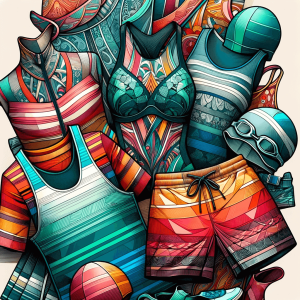
Luxury swimwear brands earn their reputation on materials, tailoring and design. A well-made suit fits beautifully and lasts if you look after it. For beach holidays, poolside photos and lounging, they are lovely. The catch is that “looks incredible” and “performs in the water” are two different design goals, and most fashion houses optimise for the first.
The Names People Search For
- Chanel: classic, logo-forward, unmistakably elegant — built for the lounger more than the lane.
- Dior: refined materials and signature patterns, styled for the resort look.
- Tom Ford: sleek, bold, contemporary cuts that make a statement by the pool.
- Stella McCartney: more sport-leaning and sustainability-focused, closer to activewear than most luxury labels.
Fashion Swimwear vs Performance Swimwear
| Feature | Luxury / fashion suits | Performance swim suits |
|---|---|---|
| Primary goal | Style and image | Movement and durability |
| Fabric | Often delicate, less chlorine-tolerant | Chlorine-resistant blends (e.g. PBT/polyester) |
| Fit in water | May shift or gape on dives/turns | Snug, stays put |
| Best for | Lounging, beach, photos | Lessons, laps, training |
| Lifespan in a pool | Shorter with regular use | Longer under chlorine |
How to Choose a Suit You’ll Actually Swim In
- Start with fit. It should feel snug and stay flat when you raise your arms and bend. Too loose drags; too tight restricts breathing.
- Check the fabric. For regular pool use, look for chlorine-resistant material. Fashion fabrics degrade fast in chlorinated water.
- Match it to the activity. Lessons and laps call for a one-piece or fitted two-piece that won’t shift. Save string styles for the beach.
- Think about support. If you need it, buy for it — a suit that doesn’t support you distracts from technique.
- Rinse and rotate. Rinse in fresh water after every swim and rotate two suits so each dries fully. This doubles their life, luxury or not.
Common Mistakes
- Buying a delicate fashion suit for daily lap training, then wondering why it sags after a month.
- Choosing by size on the label rather than trying it on — swimwear fit varies wildly between brands.
- Ignoring chlorine resistance and leaving a wet suit balled up in a bag.
- Assuming a pricier suit automatically swims better. Price buys design, not always performance.
- Dressing children in loose or ill-fitting suits that ride up and distract them in the water.
A Note on Fit and Safety
A well-fitting suit helps a swimmer move and focus, but no swimsuit makes anyone safer in the water. Flotation printed onto a fashion suit is decorative, not a safety device — children still need an adult within arm’s reach, and weak swimmers still need a proper life jacket. For sun protection during long outdoor swims, a rash guard beats relying on a stylish but skimpy cut.

Frequently Asked Questions
Can I swim laps in a luxury designer swimsuit?
You can, but many won’t hold up well to regular chlorine exposure or stay put on turns. For serious lap swimming, a performance suit is the better buy.
Which lasts longer in a chlorinated pool?
Chlorine-resistant performance fabrics such as polyester or PBT blends outlast most fashion fabrics by a wide margin.
Are luxury swimsuits worth the money?
For style, holidays and lounging — yes, if that’s your priority. For training value per dollar, a performance suit wins.
What should my child wear for lessons?
A snug, comfortable suit that stays put, plus a rash guard for sun. Avoid loose fashion pieces that ride up and distract.
How do I make any swimsuit last longer?
Rinse in fresh water after each swim, avoid wringing, dry flat out of direct sun, and rotate two suits so neither stays damp.
Fashion or function — do I have to choose?
Not entirely. Sport-leaning brands bridge the gap, but if you swim often, keep a dedicated performance suit for the pool and a luxury one for the beach.
If you’re buying mainly to start swimming, our swimwear guide and coaching resources focus on what actually helps you in the water.


Leave a Reply