

Prince Regent Swimming Complex: Inside a Lesson Programme
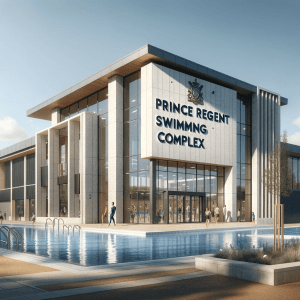
Prince Regent Swimming Complex is a public swimming facility running the full spread of aquatic programmes — learn-to-swim stages, adult lessons and fitness classes. If you are choosing lessons at a complex like this, the building matters less than the programme structure: how learners are grouped, how progress is assessed, and when swimmers move up. This guide explains how complex-based lesson programmes work, so you can judge one before you pay for a term.
I teach swimming for a living, and I would rather enrol a child in a modest pool with a well-structured programme than a spectacular facility with a vague one. Structure is what turns weekly lessons into a swimmer.
How Learn-to-Swim Programmes Are Structured
Almost every good programme, at Prince Regent or anywhere, is built on the same skeleton: progressive stages. Early stages cover water confidence — entries, face submersion, floating, gliding. Middle stages introduce stroke foundations — kicking on front and back, arm actions, breathing timing. Later stages refine full strokes, build distance, and add survival and safety skills like treading water and clothed swimming. In Singapore, the national SwimSafer framework follows exactly this staged pattern, and most structured programmes map onto something similar.
What separates a good programme from a mediocre one is not the stage names. It is three operational details: class size (smaller is better, especially for beginners), teaching position (instructor in the water for young beginners, on deck with clear sight lines for advanced groups), and actual swimming time per lesson (learners should be moving through water most of the lesson, not queuing on the wall).
Enrolling Well: A Five-Step Sequence
- Watch a class at your child’s likely level before enrolling. Five minutes of observation tells you more than any brochure. Count how often each child actually swims.
- Ask how placement works. A proper programme assesses each new swimmer and places by skill, not age alone. Mixed-ability classes drag everyone.
- Ask how progress is reported. Stage checklists, termly feedback, visible criteria for moving up — you want progression to be earned and explained, not automatic with time served.
- Check instructor turnover. Learners, especially nervous ones, progress faster with a consistent teacher. Ask whether the same instructor keeps the class across the term.
- Commit to a full term, then review. Swimming progress is lumpy — plateaus then jumps. Judge the programme at term’s end against the stage criteria, not week to week.
Complex Programmes vs Private Lessons
| Factor | Complex programme | Private lessons |
|---|---|---|
| Structure | Formal stages and assessment built in | Depends entirely on the instructor |
| Attention per child | Shared across the class | Full attention, faster technical correction |
| Cost per lesson | Lower | Higher |
| Peer effect | Strong — children copy and compete happily | Absent — quieter, suits anxious learners |
| Scheduling | Fixed timetable | Flexible, can be at your own pool |
Many families sequence them: group programme for the social early stages, targeted private blocks when a specific skill sticks. Our guide on how to tell your swimming classes are working gives you the checkpoints for either route.
Common Mistakes Parents Make With Lesson Programmes
- Choosing by convenience alone. The nearest programme wins only if the teaching is sound. Watch first, then decide.
- Chasing stage badges. A child rushed past shaky fundamentals pays for it in every later stage. Solid beats fast.
- Skipping practice between lessons. One lesson a week with no other water time is the slowest possible path. A weekly family swim doubles the progress — our floating guide shows what to practise.
- Switching programmes at the first plateau. Plateaus are normal, especially around breathing-timing stages. Change programmes for bad teaching, not for normal learning curves.
- Never talking to the instructor. Two minutes at the end of a lesson — “what should we practise?” — makes you a partner in the process instead of a spectator.

Safety Standards Worth Checking
Any programme you join should have lifeguard cover separate from the teaching staff, clear depth-appropriate grouping (beginners in water they can stand in), and rules against breath-holding games — prolonged breath-holding risks shallow-water blackout even in supervised classes and should never appear in a lesson plan. Between lessons, remember floats and armbands are teaching toys, not safety devices, and non-swimmers need an adult within arm’s reach. ActiveSG lists public pools and programmes across Singapore if you are comparing options.
FAQ: Lesson Programmes at Swimming Complexes
What age should children start a structured programme?
Formal stage-based lessons typically suit children from around four or five; younger children do better in parent-and-child water-familiarisation classes first.
How long does each stage take?
Commonly a term or two per early stage, longer for stroke-refinement stages. Speed varies hugely with practice between lessons.
Are complex programmes good for adult beginners?
Yes — adult-specific groups are usually small, supportive and far less intimidating than adults expect. Private lessons remain the fallback if group timing doesn’t fit.
What class size should I look for?
Small enough that every learner swims most of the lesson and the instructor can physically reach any of them quickly — for young beginners that means very small groups with the instructor in the water.
My child is stuck at one stage. Should I worry?
Not immediately. Ask the instructor exactly which criterion is unmet and practise that one thing. Plateaus at breathing and deep-water stages are completely normal.
Programme at a complex or lessons at our condo pool?
Structure versus convenience. If motivation and peers help your child, the complex programme wins; if scheduling is the obstacle, a good private instructor at your own pool wins. Both, in sequence, is often best.
The Bottom Line
Prince Regent Swimming Complex and facilities like it are only as good as the programme running in the water. Watch a class, ask how placement and progression work, support the lessons with practice — and the stages will take care of themselves.



Leave a Reply