
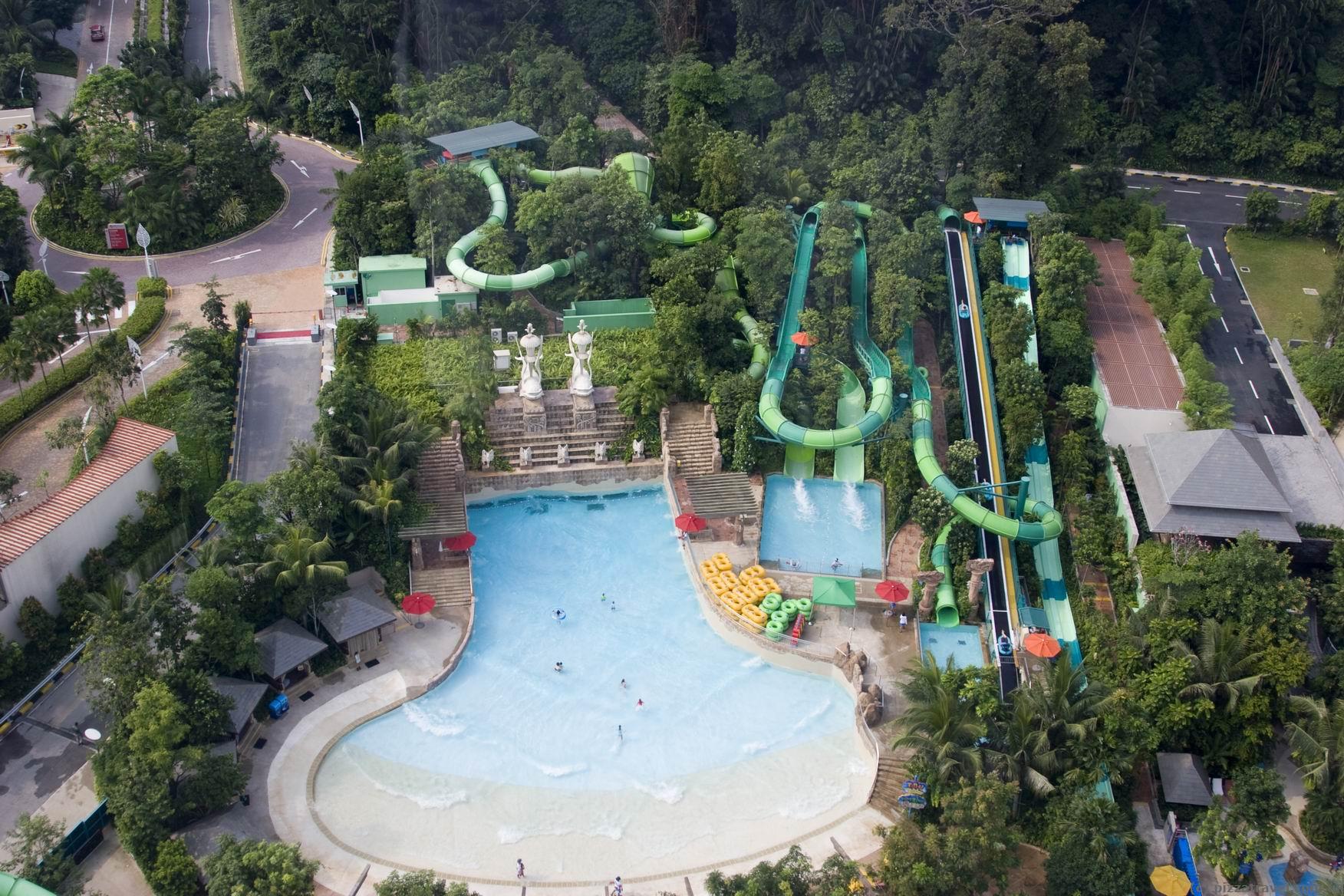
Sentosa Adventure Cove: Turn the Trip Into a Swimming Milestone
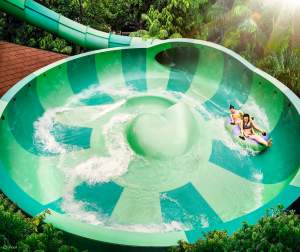
Sentosa Adventure Cove is one of Singapore’s most popular waterparks — slides, a wave pool, a lazy river and snorkelling attractions on Sentosa Island. Here is the smartest way to use it if your child is taking swimming lessons: make the visit a milestone, not a gamble. A waterpark rewards children who already have basic water skills and quietly frightens the ones who don’t. Booked a visit for the school holidays? That date is the best lesson-practice motivator you will ever get.
As a swimming instructor, I hear the same story every term: a family visits a waterpark, a child gets dunked by a wave or panics on a slide splash-down, and the next few months of lessons are spent rebuilding confidence. The reverse story also happens — a child who has just learned to float and glide has the day of their life and comes back swimming better. The difference is preparation.
Match the Attraction to the Skill, Not the Height Rule
Height requirements tell you who is allowed on an attraction. They say nothing about who will enjoy it. A better guide is matching attractions to lesson skills:
| Attraction type | Swimming skills your child should have first |
|---|---|
| Lazy river (floating with the current) | Comfortable face-wetting, relaxed floating with support, happy in moving water |
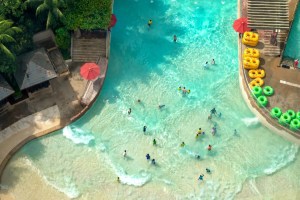
| Wave pool | Confident submersion, recover to standing, float unaided — waves knock beginners over |
| Water slides with splash landing | Happy going fully underwater and surfacing calmly, short unaided swim to the side |
| Snorkelling attractions | Steady front float with face in water, controlled breathing, treading or deep-water confidence |
Notice the pattern: submersion, floating, recovery. These are exactly the skills early swimming lessons build — our guide to teaching a child to float explains the progression parents can support.
A Six-Week Countdown Plan
If the trip is booked, work backwards with your child’s instructor:
- Six weeks out: Tell the instructor about the trip. A good teacher will happily bias lessons toward submersion, floating and recovery for a few weeks.
- Four weeks out: Add one practice swim per week outside lessons — condo or public pool — playing the skills as games: treasure diving, jump-and-return-to-wall, bubble contests.
- Two weeks out: Rehearse the scary bits in safe water: falling sideways into the pool (slide splash-down), being gently splashed while floating (wave pool), surfacing and turning to the wall.
- One week out: Do nothing new. Consolidate, keep it fun, talk up the trip.
- On the day: Start with the calmest attraction and escalate only while your child is asking for more. End on a win, not on tears.
Common Mistakes Families Make at Waterparks
- Treating the life vest as the plan. Vests are provided at waterparks and are worth using — but they are buoyancy, not supervision, and they don’t prevent a face-first panic in the wave pool.
- Starting with the biggest slide. One overwhelming first ride can end the day and set lessons back a term. Escalate gradually.
- Splitting supervision loosely. Agree explicitly which adult is watching which child at all times. “I thought you had him” is the most dangerous sentence at any pool.
- Ignoring the child’s signals. Shivering, clinging and going quiet mean tired or scared. Break for food, warmth and dry land — the park is not going anywhere.
- Letting a great day replace lessons. A waterpark visit is a motivator and a checkpoint. Structured lessons are still where the skills come from — see our parent’s guide to toddler swimming lessons for how early those can start.
Safety at a Waterpark: The Non-Negotiables
Lifeguards at waterparks are excellent, and still not a substitute for a designated supervising adult per child. Keep non-swimmers within arm’s reach in any water deeper than their waist. Follow every height and depth rule without negotiation — they exist because of real incidents. No breath-holding games anywhere, ever: shallow-water blackout can strike even strong swimmers and gives no warning. And schedule around fatigue — most waterpark trouble happens in the tired final hour. For broader family water-safety guidance, Sport Singapore has sensible resources.
FAQ: Sentosa Adventure Cove and Swim Readiness
Can my child enjoy Sentosa Adventure Cove without knowing how to swim?
Partly — shallow play areas and vest-supported attractions work for non-swimmers with close supervision. But wave pools, slides and snorkelling reward real water skills, and that is most of the park.
What single skill makes the biggest difference at a waterpark?
Calm submersion and recovery: going under, surfacing without panic, and getting to an edge. It converts every splash from a fright into a game.
How long before a trip should lessons start?
Ideally a term or more. Six weeks of focused practice helps a child who already has some water confidence; it cannot take a fearful child to wave-pool-ready.
Are life vests at waterparks enough to keep my child safe?
They add buoyancy and are worth wearing, but active adult supervision within arm’s reach remains the actual safety system for non-swimmers.
Should I tell our swimming instructor about the trip?
Yes — instructors love a concrete goal. A date on the calendar focuses lessons better than any pep talk.
What if my child panics at the park anyway?
Retreat to the calmest water, stay in with them, and end the day on something they enjoyed. Then tell the instructor — one bad moment, handled gently, fades fast.
The Bottom Line
Sentosa Adventure Cove is a brilliant family day — and an even better finish line for a block of swimming lessons. Put the skills in first, match attractions to ability on the day, and the park will pay you back in confidence that lasts long after the sunburn fades.


Leave a Reply