

Pregnancy Swim Suits: How to Choose Swimwear You Can Actually Swim In
A good pregnancy swim suit fits your changing body without digging in, supports your bust and bump, and lets you move freely enough to swim proper laps — not just wade. Look for stretchy, chlorine-resistant fabric, adjustable straps, and a one-piece or tankini cut that stays put when you push off the wall. Swimming is one of the most comfortable ways to stay active through pregnancy, so buy for the pool, not just the beach photo.
Swimming suits pregnancy beautifully. The water takes the load off your joints and back, you stay cool, and the impact-free movement is gentle on a changing body. But the wrong swimsuit turns a lovely swim into a frustrating one — straps that slip, a bust that isn’t supported, fabric that rides up over the bump. Choose well and you’ll actually want to keep swimming right through.
Choosing the Right Fit
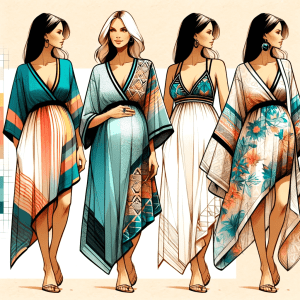
Your body changes month to month, so the priority is a suit that stretches and adjusts rather than one bought a size up in the hope it lasts. Look for four-way-stretch fabric, adjustable or extendable straps, and a shape that supports the bump from underneath instead of squeezing across it. If you’re swimming regularly, chlorine-resistant fabric holds its shape and lasts far longer than a fashion-first swimsuit.

Which Style Suits Your Swimming
| Style | Best for | Keep in mind |
|---|---|---|
| Maternity one-piece | Lap swimming and support | Choose ruched sides that grow with the bump |
| Tankini | Flexibility and easy bathroom breaks | Pick a longer top so it doesn’t ride up |
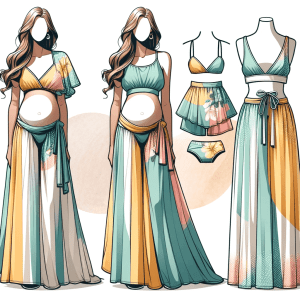
| Swim dress / skirt | More coverage and comfort | Extra fabric can drag a little when swimming |
| Supportive sports-style | Regular aqua workouts | Prioritise bust support and secure straps |
How to Choose: Step by Step
- Decide how you’ll use it. Serious lap swimming needs a secure one-piece; gentle aqua classes give you more style freedom.
- Prioritise support. Your bust changes a lot in pregnancy — adjustable straps and an underbust band matter more than the print.
- Check the fabric. Stretchy and, ideally, chlorine-resistant so it survives regular pool use.
- Test the movement in the shop. Raise your arms, twist, reach. If it rides up or the straps slip on land, it’ll be worse in the water.
- Allow room to grow. Ruched sides and stretch panels adapt across trimesters, saving you buying twice.
Comfort Comes First
Soft, breathable materials and flat seams stop irritation as your skin stretches. Extra bust support makes a real difference to comfort in and out of the water. If a suit is comfortable enough that you forget you’re wearing it, you’ll swim longer and more happily — which is the whole point.
Common Mistakes
- Buying a regular suit a size or two up. It gapes in the wrong places and won’t support the bump.
- Choosing looks over support. Unsupportive straps become uncomfortable fast as your bust changes.
- Ignoring fabric quality. Cheap fabric sags and loses shape within weeks of regular swimming.
- Picking too much loose fabric for lap swimming. Swim dresses are comfy but can drag when you’re actually swimming.
- Waiting until late pregnancy to buy. A good suit is worth having early so you keep swimming throughout.
Making the Most of Swimming While Pregnant
Many expectant mothers find swimming and gentle aqua exercise among the most comfortable ways to stay active, but always check with your doctor or midwife before starting or continuing any exercise in pregnancy, and follow their guidance on what’s right for you. In the pool, keep sessions gentle, stay well hydrated, avoid overheating, and get in and out using the steps rather than pushing up awkwardly on the wall. If you’d like structured, supervised sessions, gentle private swimming lessons or group swimming lessons in Singapore can be paced entirely around how you feel, and a quiet condo pool is ideal for relaxed regular swims.
Safety First
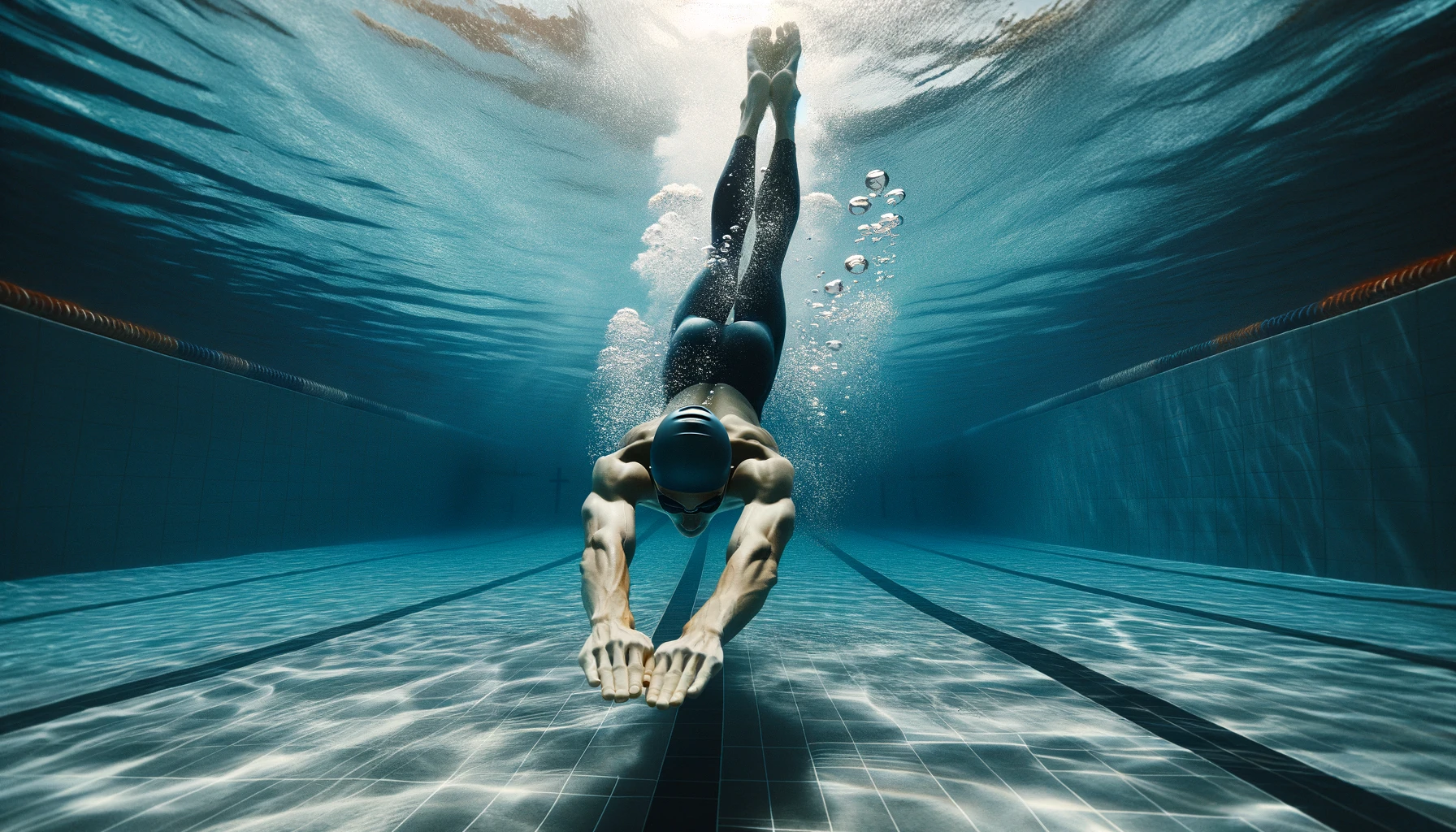
Always get clearance from your doctor or midwife before exercising during pregnancy, and stop and seek advice if anything feels wrong. Avoid overheating, so skip hot tubs and very warm pools. Never practise breath-holding or underwater-distance drills — they carry a risk of shallow-water blackout and are not appropriate in pregnancy. Watch your footing on wet poolside tiles, stay hydrated, and don’t swim alone. This article is general information about swimwear, not medical advice.
FAQ
Can I just wear my normal swimsuit while pregnant?
Early on, maybe. As your bump and bust grow, a normal suit stops supporting you properly and can feel tight or ride up. A dedicated maternity suit is far more comfortable for regular swimming.
When should I buy a pregnancy swim suit?
As soon as your usual swimwear feels tight — often in the second trimester. Buying early means you keep swimming comfortably throughout.
What style is best for swimming laps?
A supportive maternity one-piece with ruched, stretchy sides and secure adjustable straps stays put and lets you swim properly rather than just float.
Is chlorine-resistant fabric worth it?
If you swim regularly, yes. It holds its shape and colour far longer than standard swimwear that sags after a few weeks in a chlorinated pool.
Is swimming safe during pregnancy?
Many people find it a comfortable, low-impact way to stay active, but you should always confirm with your doctor or midwife what’s appropriate for your pregnancy before starting or continuing.
How do I stay comfortable in the water?
Keep sessions gentle, stay hydrated, avoid overheating, use the pool steps to get in and out, and never swim alone.


Leave a Reply