

Water Skill Game Ideas That Prepare a Child for Lessons
A water skill game is not a break from teaching. It is teaching. A frightened child in a pool holds their breath, lifts their chin, tenses their shoulders and stops listening — and no instruction lands. Give that child a target to aim at, a balloon to retrieve, or a sibling to beat, and the breathing normalises without anybody mentioning it. Every game below quietly builds a skill that a first swimming lesson assumes you already have. And not one of them rewards holding your breath, which is the single rule that matters.
Parents ask how to prepare a nervous child for lessons. This is the answer, and it costs almost nothing.
Why Games Work

Fear in water is a breathing problem before it is anything else.
Tell a child to blow bubbles and they think about their face. Ask them to blow a ball across the water and they think about the ball. The bubbles happen anyway. That is the whole trick, and it is what good teachers do all day.
So choose games that demand the skill sideways, never head-on.
Six Games and What They Teach
| Game | Skill it builds | Depth |
|---|---|---|
| Water ball shooter at floating cups | Tolerating splashes near the face | Poolside or ankle-deep |
| Blow the ball across the lane | Controlled exhalation — the core skill | Waist-deep |
| Balloon or ring retrieval from the bottom | Face in water, eyes open, brief duck | Waist-deep, standing |
| Push the ball with your nose | Face in, horizontal body position | Waist-deep |
| Star float competition | Floating and relaxing | Chest-deep, adult beside |
| Walking races through the water | Balance, resistance, laughing | Waist-deep |
Set the depth by the smallest child, not the average one. And start every game with the child in control — holding the shooter rather than being the target. Control is the antidote to fear.
Reusable Balloons, Briefly
Reusable magnetic balloons are silicone spheres that seal when dipped and burst on impact. They replace single-use latex, which sheds fragments into drains and the sea. They refill in seconds, which matters more than it sounds — the old game stalled every five minutes while somebody tied knots.
The magnets are small and strong. Keep the packet away from toddlers: swallowed magnets are a genuine surgical emergency.
We sell nothing and recommend no brands. Compare weight, refill method and durability, and read current reviews.
The Rule That Is Not Negotiable
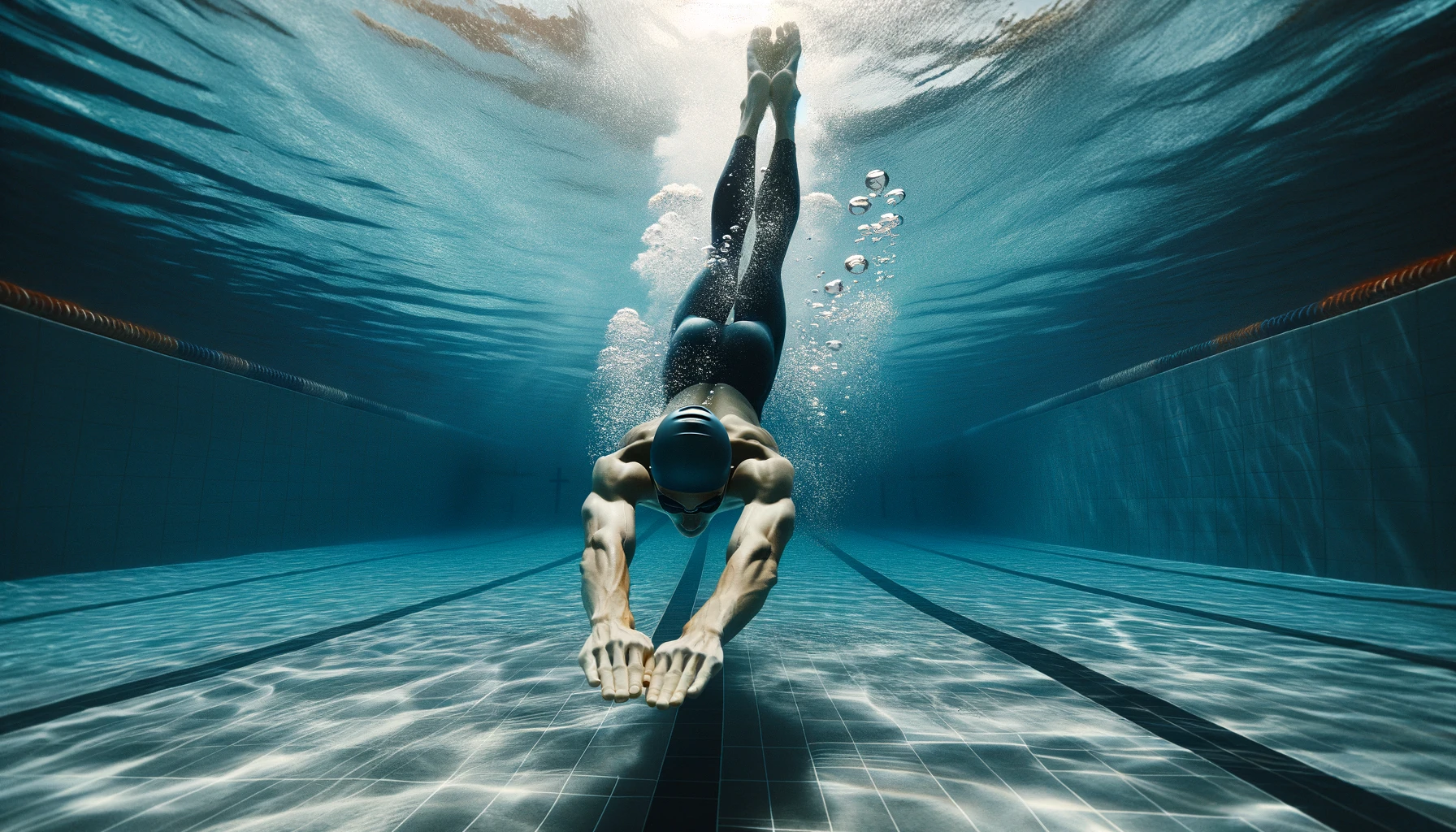
No breath-holding games. Not who can stay under longest. Not who can swim a length underwater. Not once.
Repeated or prolonged breath-holding, particularly after hyperventilating, causes shallow-water blackout: the swimmer loses consciousness without warning and without struggling, and drowns in water they could stand up in. It has killed strong swimmers and competitive athletes in supervised pools.
Children will invent this game by themselves. Stop it every time you see it, and tell them why in plain words. It is the most important thing in this article.
Supervision, While the Noise Is Loud
- Drowning is silent. No shouting, no waving, no splashing. A child goes quiet and vertical and slips under, and in a loud game that is invisible from a few metres away.
- One adult watches and does nothing else. Not refereeing. Not filming. Watching. Hand the role over out loud when you swap.
- Non-swimmers stay within arm’s reach. At any depth, whatever they are wearing.
- Armbands, rings and inflatables are toys, not safety devices. Take them out of the water when nobody is swimming — a floating toy draws a toddler to the edge.
- If you are drinking, you are not the watcher.
- No running on the deck, no jumping on anybody, no shooting at faces.
- Shade breaks and drinks on a schedule. Children in water do not notice they are overheating.
Common Mistakes
- Letting the game drift into breath-holding. It always drifts unless you steer it.
- Playing in water too deep for the smallest child.
- Making a frightened child play. Confidence is invited, never forced. A child pushed into a game they fear learns to fear the pool.
- Filming instead of watching. The phone has drowned more attention than anything else on a pool deck.
- Assuming games replace lessons. Games build confidence. Lessons build skill.
- Leaving the magnets within reach of a toddler.
From Games to Swimming

Games make a child comfortable. They do not teach a child to float, to recover to standing, or to swim to the side — the three skills that would actually save them.
A child who now happily puts their face in the water is ready for teaching and will move quickly. Sociable children thrive in small-group swimming classes; anxious ones progress far faster in one-to-one private lessons before joining a group. Practice between lessons roughly doubles the rate of progress — see learning in a condominium pool. Children with additional needs deserve a coach trained for it, through special needs swimming. To know whether your class is working, read the milestones a beginner should pass. To find a pool nearby, use swimming near me.
For water safety guidance and public programmes, ActiveSG is the place to start.
Frequently Asked Questions
Can water games really prepare a child for lessons?
They build the prerequisites — relaxed breathing, comfort with splashes, willingness to put the face in. Strokes, floating and self-rescue need proper teaching.
Why are breath-holding games dangerous?
Repeated or prolonged breath-holding, especially after hyperventilating, can cause shallow-water blackout: a silent loss of consciousness with no struggle and no warning. It has drowned strong swimmers in shallow, lifeguarded pools.
What age suits a water ball shooter?
Most school-age children. Keep magnets away from toddlers, and never allow aiming at faces.
Are reusable balloons better than latex?
Environmentally, yes — no fragments left behind. Practically, they refill instantly, which keeps the game moving.
My child hates being splashed. Where do I start?
At the poolside, with the child holding the shooter rather than being the target. Let them splash you first.
How do I stop a game becoming chaotic?
Set the depth by the smallest child, agree three rules out loud before starting, and keep one adult out of the game entirely, watching the water.


Leave a Reply